

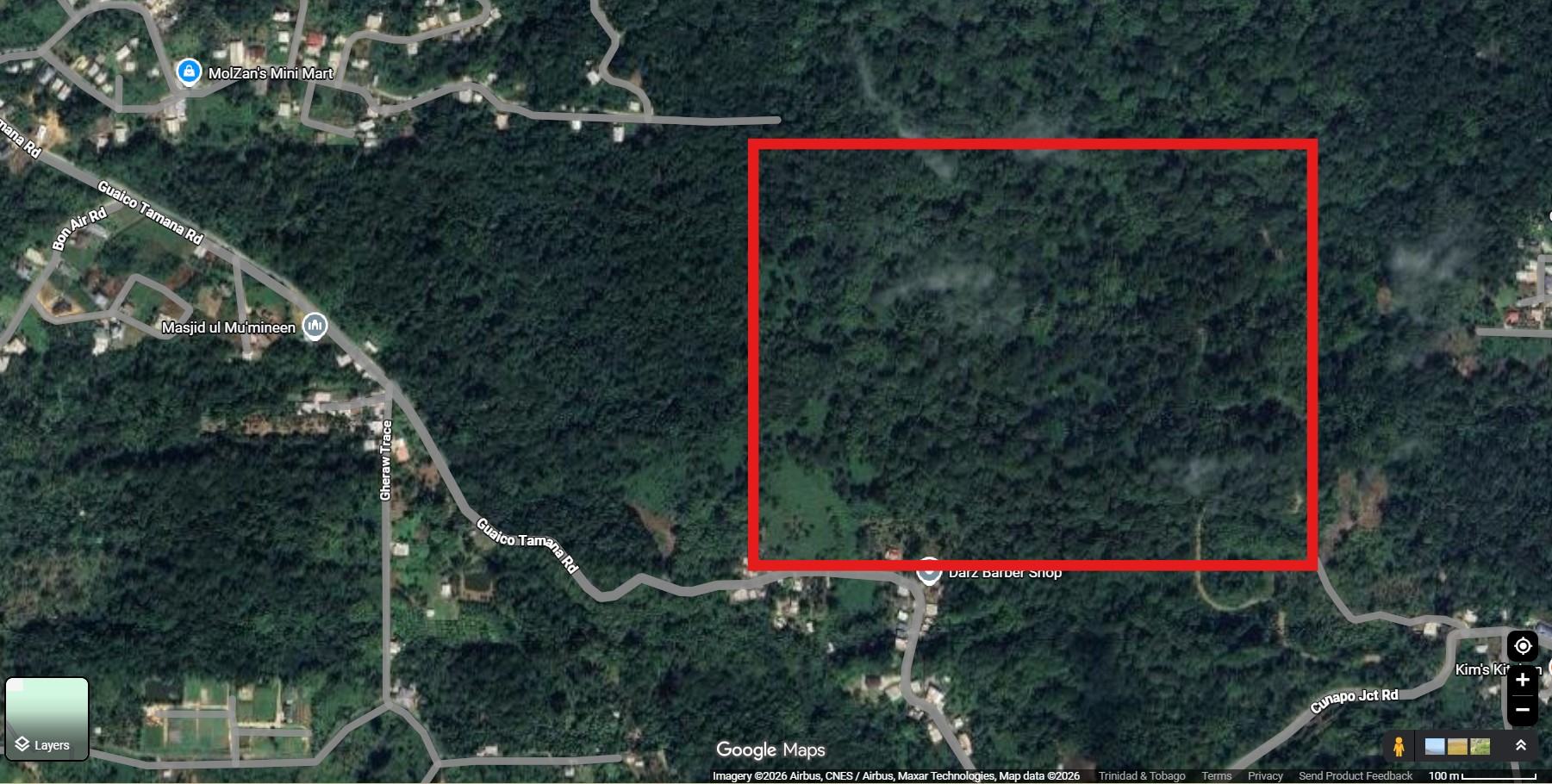




About this Property
PRIME 80 ACRE AGRICULTURAL ESTATE
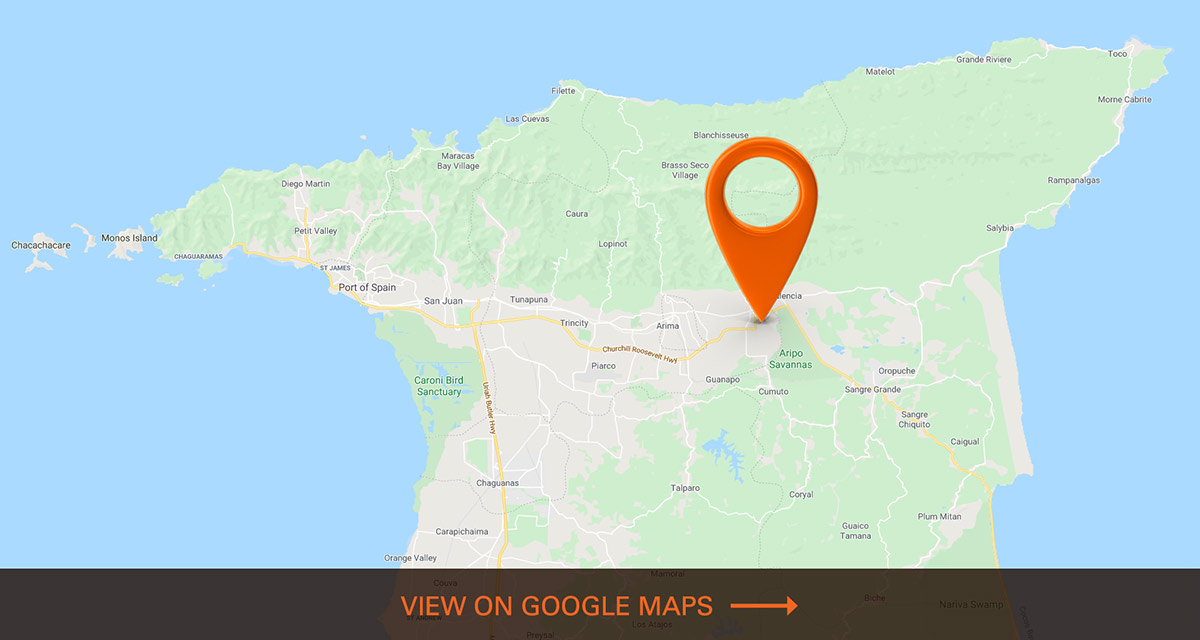
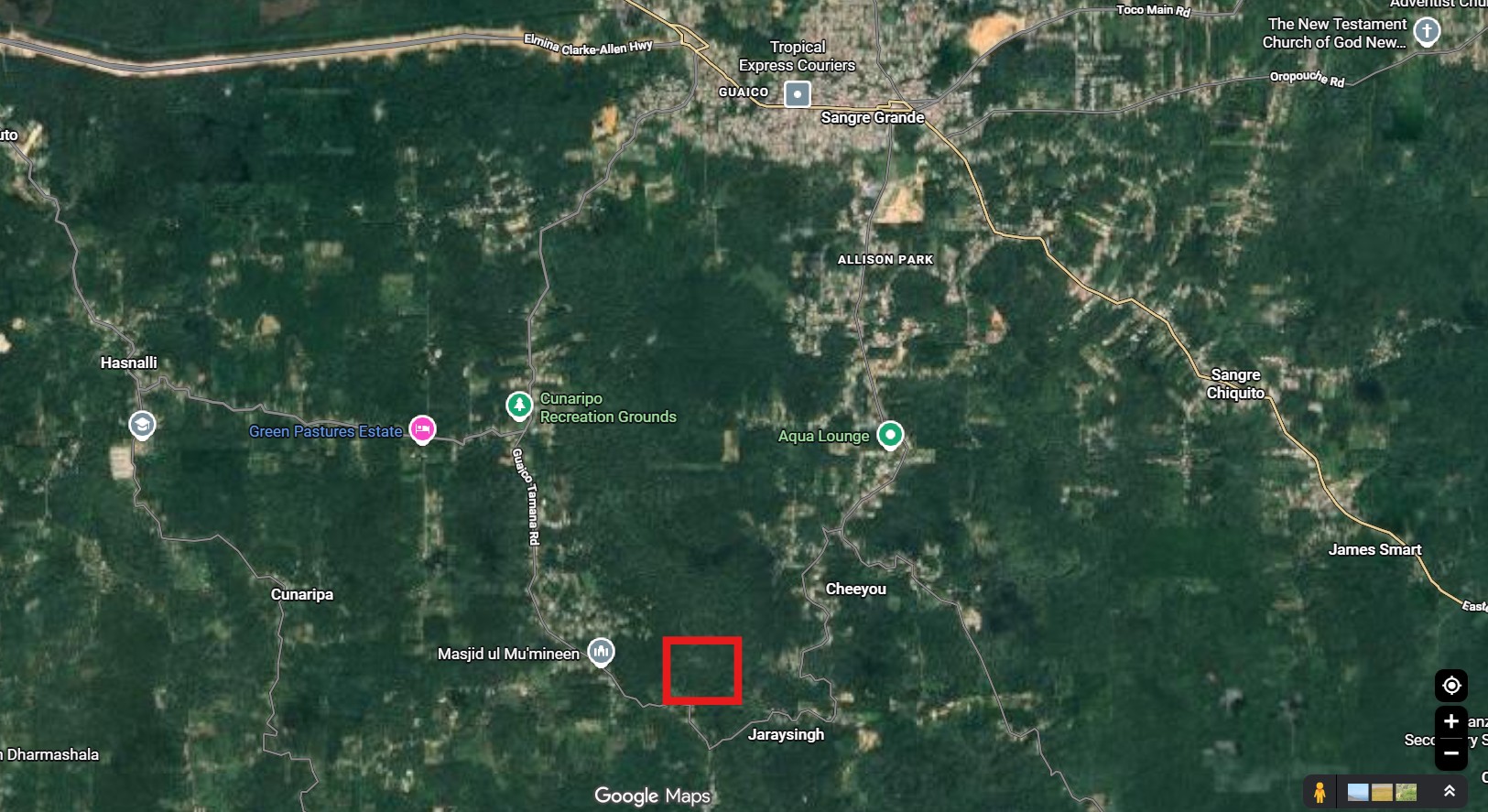
GUAICO TAMANA, SANGRE GRANDE
Description
Embrace the unparalleled serenity and boundless potential of this sprawling 80-acre estate located in the lush, verdant region of Guaico Tamana, just off Sangre Grande. Historically cultivated with rich cocoa and citrus crops, this expansive parcel offers a highly fertile foundation ready for a large-scale agricultural revival, an exclusive eco-tourism retreat, or a sustainable private sanctuary.
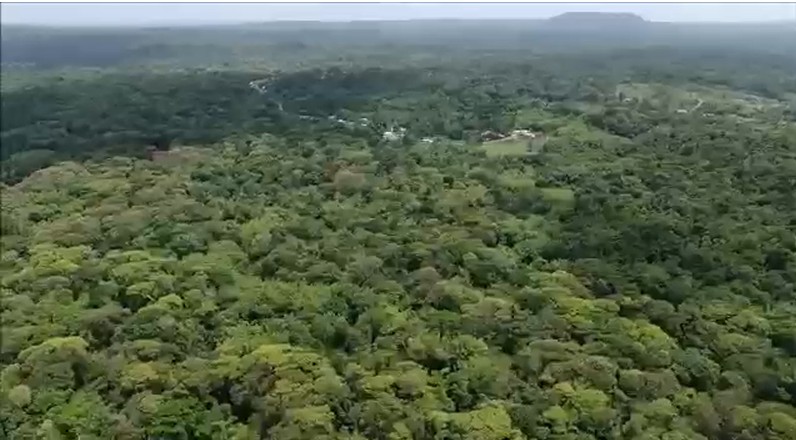
The property boasts direct access via the paved Guaico Tamana Road, ensuring logistical convenience while completely preserving the tranquil, secluded beauty of the environment. Surrounded by a vast canopy of mature, dense greenery and vibrant natural flora, this estate provides a breathtaking escape from the urban hustle. Priced at $10M TTD, this is a rare opportunity for visionary investors to secure a significant piece of Trinidad’s rich agricultural heritage and transform it into a thriving modern enterprise.
📍 Location: Guaico Tamana Road, Sangre Grande
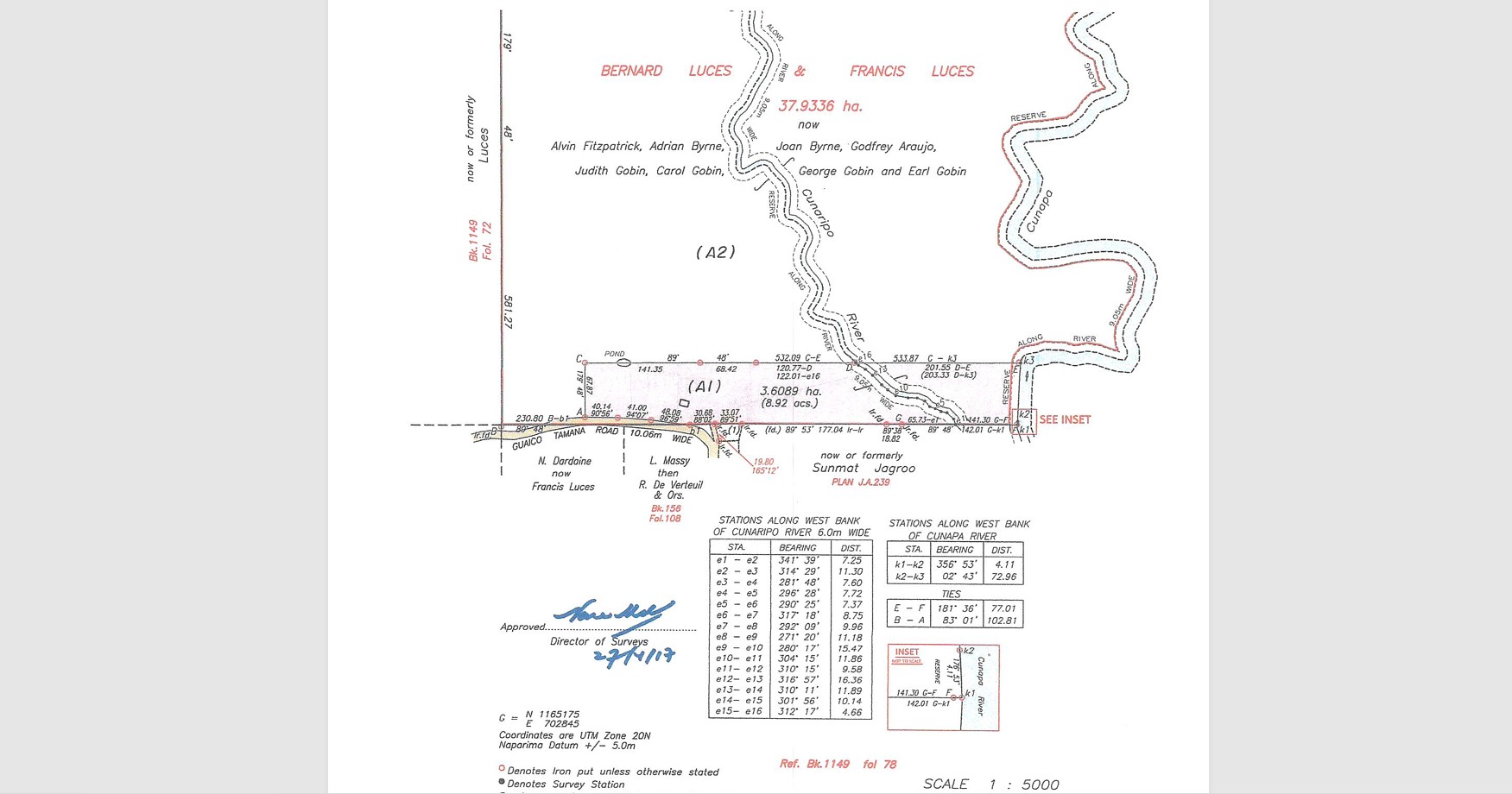
📐 Land Size: 80 Acres
🌱 Property Type: Agricultural Estate
Key Highlights:
🌳 Expansive, undisturbed natural landscape offering unmatched tranquility
🍊 Rich soil with a history of successful cocoa and citrus cultivation
🛣️ Direct and easy access via Guaico Tamana Road
🕊️ The perfect foundation for large-scale farming, agro-processing, or an eco-retreat
💰Price: $10M TTD
(868) 353 9458
(868) 746 2671
jprealtorsltd@gmail.com
#SangreGrandeRealEstate #GuaicoTamana #TrinidadRealEstate #TrinidadLandForSale #AgriculturalLandTT #EcoTourismTT #InvestTrinidad #TrinidadProperty #EastTrinidad
About the Region
Sangre Grande
The name Sangre Grande means "big blood", and it has been suggested that the town was named for a battle that took place between the native Amerindians and the Spanish settlers. However, this interpretation is not supported by historical records. The true origin of the name refers to when, in the late 1770s, Spanish surveyors who were charting the island for the purposes of creating a map, found that the waters of two of the tributaries of the nearby Oropouche River were red as blood, hence the name.